
Preparing for HOS Success: Patient Conversations That Drive Outcomes
Posted by PHN Communications | August 11, 2026 | Star Central

Medicare’s Health Outcomes Survey (HOS) is sent annually, beginning in July, to a random sample of Medicare Advantage plan members to evaluate how they perceive their physical and mental health over time—and whether they recall discussing key health topics with their providers. Having intentional, structured discussions with your patients that they’ll remember is key to enhancing patient experience.
Conversation Prep Matters
Clarity and consistency in conversations are critical to patient comprehension. Plain language and familiar phrases improve understanding, trust and recall.
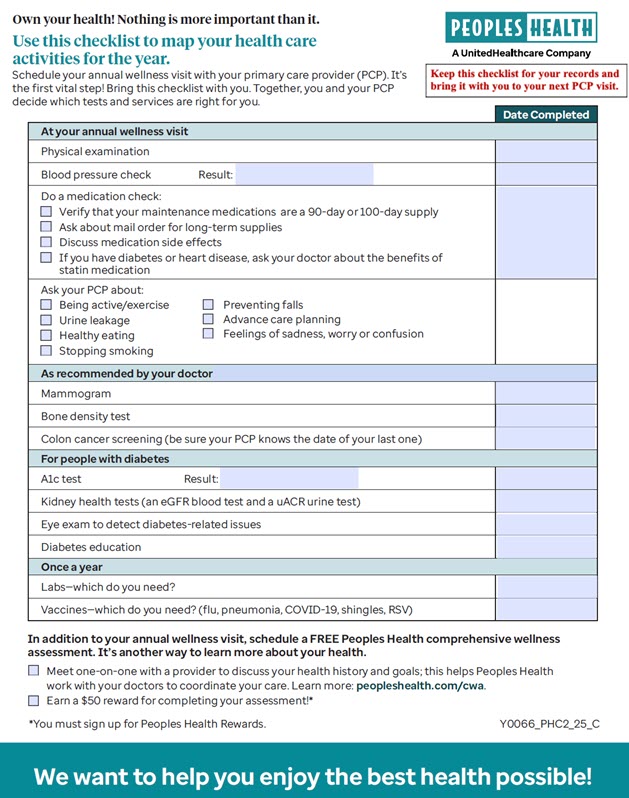
Key HOS discussion topics include urinary incontinence, fall risk, physical activity, and physical and mental health status. These are not “check-the-box” topics and should be addressed in a way that patients recognize, understand and remember.
Conversation Strategies
Consider standardizing how and when key topics are addressed.
- Leverage annual wellness visits. Use them as a central touchpoint for all focus areas.
- Ask reflective, comparative questions to anchor patient perception.
- Screen and assess routinely. Incorporate tools like PHQ-2/9 for mental health and functional assessments for physical health.
- Repeat and reinforce so patients remember discussions across visits.
- Provide education materials. Reinforce verbal discussions with take-home resources on topics like physical activity, falls and bladder health.
Focus Areas
Regular discussions about exercise, mobility and daily functional health are vital to knowing whether to advise increasing or maintaining physical activity levels.
Routine check-ins on mood, stress and emotional health—paired with validated screenings—support the heavily weighted mental health measure.
By focusing on structured, empathetic and memorable conversations—especially around urinary incontinence and fall prevention—you can help improve patient outcomes. Consistent messaging, proactive screening and actionable guidance help ensure that when patients receive the HOS, they can confidently answer, “Yes—my provider talked with me about that.”
NEWSLETTERS
PREVENTIVE CARE
CHECKLIST
EDUCATIONAL VIDEOS
ARTICLES BY CATEGORY
